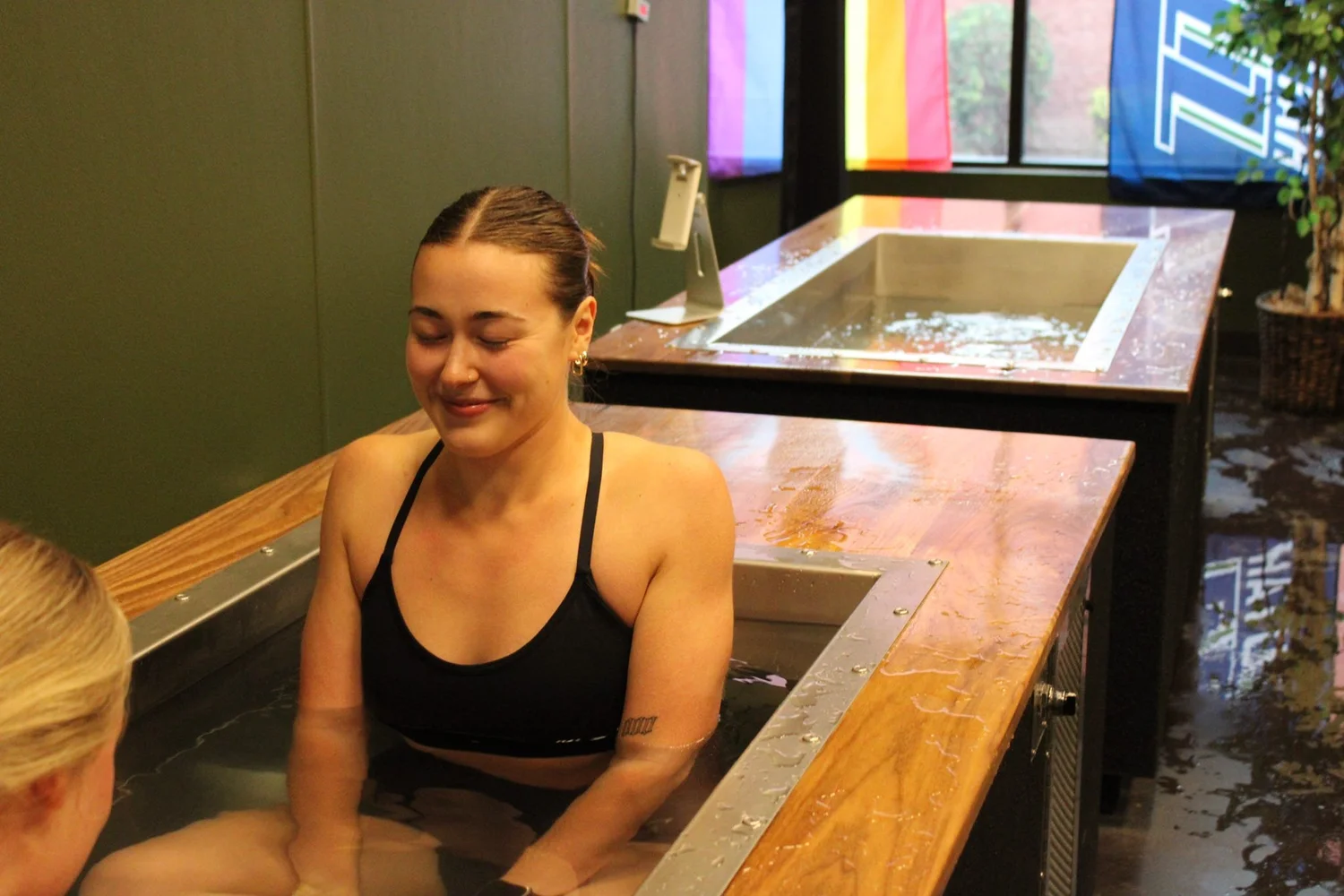
Pain happens for lots of different reasons—injury, tight muscles, nerves acting up, or stress. And when you’re hurting, choosing between ice or heat can feel confusing. Here’s the easy guide.
Why We Feel Pain (Quick + Simple)
Your body sends “ouch” signals from the injury → through your nerves → up to your brain.
Your brain reads the message and decides how your body should react.
Pain can be:
-
Acute: short-term, from a recent injury
-
Chronic: long-lasting, usually in joints or your back
-
Inflammatory: swelling from overuse
-
Nerve pain: shooting, burning
-
Radicular: pain from a pinched or irritated spinal nerve
-
Psychogenic: pain worsened by stress or anxiety
-
Nociceptive: everyday “tissue damage” pain
No matter the type, choosing the right temperature can help.
ICE: When to Use It + What It Does
Ice is for new pain, swelling, and inflammation.
What Ice Does
-
Lowers skin + muscle temperature
-
Slows down blood flow
-
Numbs pain signals
-
Reduces swelling
-
Calms inflammation
Cold Exposure Can Also Help:
-
Flushes out lactic acid
-
Slows down processes so your body can heal
-
Boosts mood chemicals like norepinephrine + endorphins
-
Reduces soreness
Use Ice When:
-
You just sprained or strained something
-
You have swelling
-
You’re sore after a tough workout
-
You’re having a plantar fasciitis flare-up
-
You want a quick recovery boost (ice bath, cold plunge, ice pack)
HEAT: When to Use It + What It Does
Heat is for tightness, stiffness, and long-lasting aches.
What Heat Does
-
Warms muscles
-
Opens blood vessels
-
Increases circulation
-
Brings more oxygen + nutrients to the area
-
Helps remove waste products
-
Relaxes the body
Heat Exposure Can Also Help:
-
Repairs muscles faster
-
Improves flexibility
-
Increases endorphins (your natural pain relievers)
-
Supports recovery + reduces chronic tension
Use Heat When:
-
You have chronic pain (like arthritis or low back pain)
-
You feel stiff or tight
-
You want to warm up sore muscles
-
You’re dealing with DOMS (day-after workout soreness)
-
You want moist heat: sauna, steam room, hot tub, warm shower
SO… Ice or Heat?
Here’s the simplest rule:
Ice = NEW pain, swelling, inflammation
Heat = OLD pain, stiffness, tension
Why Not Both? (Contrast Therapy)
You don’t have to choose.
Using heat + cold together can give you the best results.
This is contrast therapy—alternating between hot and cold on purpose.
How to Do It:
-
Start with the temperature that makes sense (heat for chronic, ice for swelling)
-
Switch between sauna (hot) + cold plunge
-
Go: 10–15 min heat → 1–5 min cold
-
Repeat 2–3 rounds
-
Always finish with cold
-
Stay hydrated
-
Keep your sauna + plunge close so transitions are fast
Why It Works
-
Cold → blood vessels tighten
-
Heat → blood vessels open
-
Switching pumps fresh blood + nutrients into sore areas
-
Reduces pain faster
-
Helps your body adapt to stress
-
Supports recovery, circulation, and nervous system health
The Bottom Line
-
Use ice for new injuries, swelling, and inflammation.
-
Use heat for long-term aches, stiffness, and muscle tightness.
-
Use both for next-level recovery and natural pain relief.
Contrast therapy a few times a week can make a huge difference—and doing it consistently is what brings results.